Accounting Firms San Antonio AlternativeRows a city sale carries
A search often starts when a sale in this city does not match the rate someone guessed off a statewide chart.
Name the sale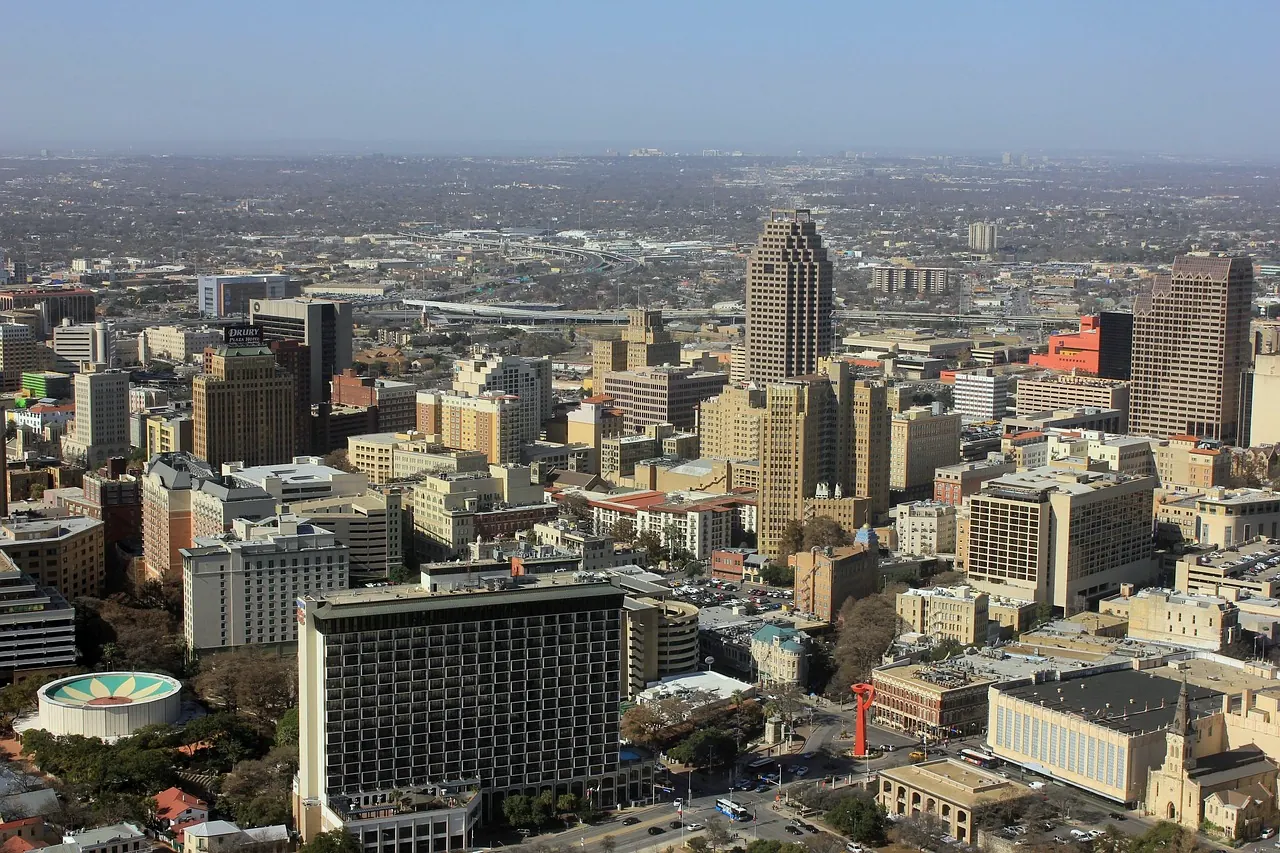
A search often starts when a sale in this city does not match the rate someone guessed off a statewide chart.
Name the saleA sale at an address inside San Antonio stacks to 8.25 percent. Texas keeps 6.25 of that stack, the city keeps 1.125, VIA keeps 0.5, and the transportation district keeps 0.375, written as its own row rather than folded into the city or into VIA. Nothing in that 8.25 is a county slice. Copying a Harris County ticket onto a sale inside San Antonio is how the return goes wrong.
Add those four pieces on a calculator before the bid form goes out. A ticket that will not add back to the city total is the row we flag while the month is still open.
The city's 1.125 percent includes 1 percent for the general city rate and 0.125 percent dedicated to Pre-K 4 SA. You do not file those slices as separate checks to separate offices in the ordinary month. You do let the books show that a city sale carried the city row and the transit rows, because a reviewer who knows the map will look for them.
The transportation district rate moved to 0.375 percent at the start of 2026. A template left over from an older year will be short. We look at the address of the sale, not at a memory of what the rate used to be.
A bid that treats every sale as one flat Texas rate will misstate the local piece. The miss is not dramatic on a single invoice. It is dramatic across a year of invoices, and it shows up when someone compares your sales tax filings to the revenue on the statement. We would rather catch that in a monthly close than in a letter.
If you sell inside the city and also outside it, the rows can change with the address. Tell us the cities. We do not guess from a logo on the invoice. A sale in a suburb can carry a different local stack, and writing the downtown stack onto that suburb sale is a favor to nobody.
A sale written as one blended rate hides the pieces a reviewer will add back. The city row, the VIA row, and the transportation district are separate facts on one ticket. We write them as separate rows so the bid and the filing tell the same story. A reviewer adds the pieces back even when the invoice showed one blended rate. We keep the city piece, the VIA piece, and the transportation district as their own rows so the filing and the bid tell one story.
Business personal property is a different filing from sales tax. Renditions generally go to the Bexar Appraisal District in April. Ask the district in writing and the date can slide into May. The district does not mail a new notice for every small change, and you can protest without waiting on a letter. The federal envelope does not carry this local list. We keep the date next to the month that has to close so April does not sneak past a busy bid.
The city's own property tax rate is a fact about the bill you pay on real estate, not a row inside the sales tax return. Mixing the two is a common way to double count. We keep them in different sentences on purpose.
The address where the sale happened, the filing frequency you already have, and whether anyone has been estimating the local piece by hand. If you do not know the frequency, say so. Looking it up is part of the close. Inventing it is not.
Hotel, mixed beverage, and other special taxes are named only when they are actually yours. A retailer who never pours a drink does not need a speech about a bar tax. A restaurant does. We ask before we lecture.
The downtown skyline in the picture is the place these rows belong to. We do not live on that skyline. We are Texans who close the month for owners who do, on a video call, with the same calendar every month.
A sale recorded at the state rate alone will look tidy and still be short. The missing local piece shows up later, usually when a bid reviewer adds the ticket back, or when the state notice arrives after the contract is already signed. Putting the pieces in during the close is quieter than explaining them in that meeting.

Tell us where the sale happens and whether the local row is already in the books.

You will be talking to the Steven Palmieri practice.